
SAVE MORE, INVEST BETTER, WORRY LESS

Over 40+ Canadian personal finance experts are ready to help you become your own advisor.

Follow their step-by-step instructions and seize control of your financial future.
HERE’S A SNEAK PEEK AT WHAT YOU’LL SEE WITH A FREE TICKET TO THE CANADIAN FINANCIAL SUMMIT
Our Canadian financial experts have all come together to help you:
Save More, Invest Better, Worry Less
This Virtual Summit will cut through the fog of confusing financial jargon and build the confidence needed to seize control of your personal finances. Each speaker will pull back the curtain on their unique area of expertise. With their actionable advice and attention-grabbing speaking styles, these experienced Canadian gurus will help take your money game to the next level – no matter if it’s your first day at the financial dojo or if you’re already a 3rd-degree blackbelt in financial literacy. The Canadian Financial Summit will show you how to save hundreds on monthly costs, earn thousands more in investment returns, and provide examples of people who measure their net worth in millions. Are you in?


YOUR ALL-STAR SPEAKER PANEL

Robb Engen
Financial Planner, Founder of BoomerAndEcho.com
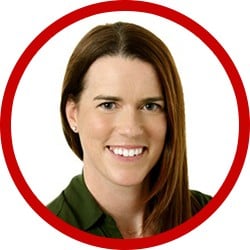
Erin Allen, CIM
VP, ETF Online Distribution at BMO Global Asset Management

Rob Carrick
Columnist at The Globe and Mail and Host of the STRESS TEST Podcast
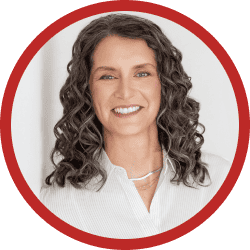
Maria Smith, QAFP ®
Advice-only financial planner, Founder, Women Can Money Summit

Kristy Shen and Bryce Leung
Founders of Millennial Revolution, Authors of Parent Like a Millionaire and Quit Like a Millionaire
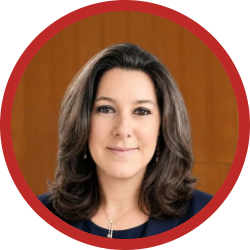
Isabelle Bernier, B.Comm., M.Sc., Pl.Fin
Financial Planning Professional (F. Pl. Québec) – Objective Financial Partners Inc.
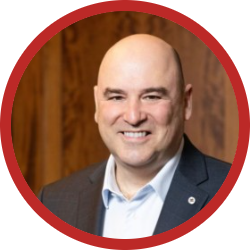
Alain Desbiens
Vice-Chair, BMO ETFs
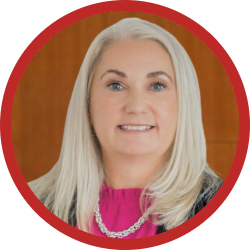
Corrinna Paxton, CFP
Certified Financial Planner – Objective Financial Partners Inc.

Dr. Preet Banerjee
Award-winning personal finance educator, keynote speaker, and host of the Mostly Money podcast
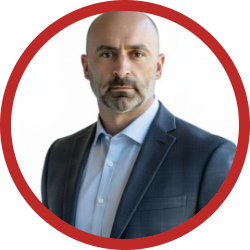
Ben Rabidoux
Founder, Edge Realty Analytics

James Gauthier
Chief Investment Officer, Justwealth
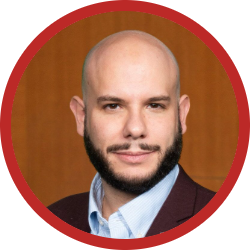
Guillaume Dumais
Financial Planner and Tax Specialist with Objective Financial Planners

Anshul Singh
Founder, Points Miles and Bling
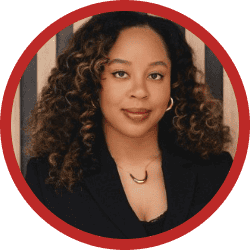
Danica Nelson
Founder, Liberty Leave

Moira Rose Váně
Qualified Associate Financial Planner™ | Lawyer | Founder, Moira Rose Financials
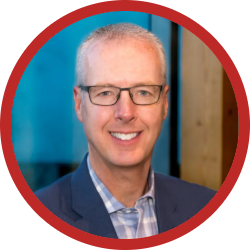
Fred Masters
Author of Lessons on Mastering Money

Ron Butler
Mortgage Broker at Butler Mortgage
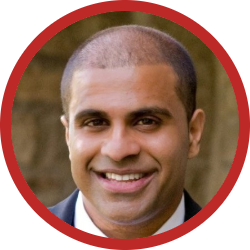
Sash Bhavsar
co-founder of pointspartners.ca

Shannon Lee Simmons
Certified Financial Planner and author

Andrew Dobson
Certified Financial Planner, Objective Financial Planners

Ed Rempel
Fee-for-service financial planner with Over 27 Years of Experience, Founder of EdRempel.com

Mark Seed
DIY Investing Expert. Founder of MyOwnAdvisor.ca

Nancy Grouni
Certified Financial Planner (CFP), Objective Financial Partners

Kornel Szrejber
Host of BuildWealthCanada.ca, Investor, Teacher, Early Retiree, Host of the Summit.

Stephanie & Gillian
Our Freedom Years

Thuy “Twee” Lam
Certified Financial Planner, Objective Financial Partners

Jason Heath, CFP
Managing Director, Objective Financial Partners Inc.

Jonathan Chevreau
Investing Editor at Large for MoneySense. Author, and founder of the Financial Independence Hub

Dale Roberts
Former investment advisor, founder of Cut The Crap Investing and Retirement Club.

Mike Heroux, MBA
Founder of Dividend Stocks Rock (DSR)
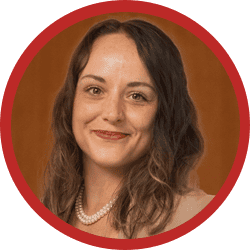
Hannah McVean
Certified Financial Planner, Objective Financial Partners

Brenda Hiscock
Certified Financial Planner, Objective Financial Partners
Patricia Greco, CFDS, CPA, CA
Chartered Financial Divorce Specialist, Chartered Professional Accountant

Kyle Prevost
Creator of the first online course for Canadian retirees: 4 Steps to a Worry-Free Retirement, Chief Author Million Dollar Journey
WHAT YOU WILL LEARN
- How to plan your own retirement at any age
- Maximize your corporate investing accounts
- How to save money on taxes by optimizing your RRSP to RRIF transition
- Plan your personalized combination of a DIY portfolio alongside an annuity for a customized stream of retirement asset growth + monthly income.
- Get the most money from your dividends vs salary strategy (small business owners)
-
What good financial advice should REALLY look like: Rob Carrick + Shannon Lee Simmons + Jason Heath
- How to efficiently transition your investing nest egg to a steady stream of retirement income
- How to navigate the retirement risk zone when you first retire
- How to stress-test your finances before the next emergency hits
- Boosting your spousal RRSP + income splitting strategies
- Optimizing your pension plan as you approach retirement
- What Canada’s housing market means for banks, the economy + your portfolio
- …And MUCH MORE!
No one should care about YOUR MONEY more than YOU!

Kyle Prevost is the founder of the Canadian Financial Summit and the creator of Canada’s first online course about retirement titled: 4 Steps to a Worry-Free Retirement. Kyle has written for publications such as the Globe and Mail, Moneysense, Canadian Moneysaver, and the Financial Post. You can also catch him writing about the Best GIC Rates in Canada over at Million Dollar Journey, the leading review site for all things Canadian DIY investing, such as Canadian discount brokerages.

WHY THE CANADIAN FINANCIAL SUMMIT?
- 0% Inflation – we’re still 100% free to watch
- An Investment in yourself pays the best dividends!
- It’s free. You can tell your economics teacher that there is no such thing as a free lunch, but there is a FREE Summit.
- Retire early – and in style
- Take control of your own finance – and become your own advisor
- You will NOT find this collection of speakers anywhere else
- No flight, no travel annoyances, no getting out of your pyjamas
Brought to You In Partnership With



Frequently Asked Questions
Who should snag a FREE ticket to the Canadian Financial Summit?
Canadians who want answers to questions on mortgages, interest rates, RESPs, RRSPs, TFSAs, investing, retiring, earning more, and saving money on dozens of everyday costs.
Is the Canadian Financial Summit really free?
Yes. The videos are completely free to view for 48 hours. After that you need the any-time, anywhere All Access Pass.
What's the catch?
There. Is. No. Catch. We believe you'll think the information presented by our 35+ Canadian experts is so solid, so actionable, so lacking in fluff and sales jargon - that we think you'll pay for it after already seeing it for free.
How do I watch The Summit?
Simply click here to claim your free ticket. You should immediately get an email confirming your registration - just follow the directions in that email and you will get a link sent to you 24 hours before The Summit goes live. You can view The Summit on any phone, tablet, or computer.
I can't make it to that one session I really want to check out - can I get a recording?
Sorry, after 48 hours there is only one way to see The Canadian Financial Summit - via our any-time, anywhere All Access Pass. In addition to a pile of bonus material, this Premium Pass gives you lifetime access to streaming the videos.
When does the event take place?
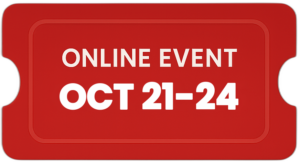
The Canadian Financial Summit will kick off on October 21, 2026.
I signed up last years All Access, but forgot my password
Click here and simply fill in your email and we’ll get your new password information to you ASAP.
I signed up for a previous year's All Access Pass, but how do I access those membership pages?
Click here, and simply fill in your info. You will be be taken to a page that allows you access the content you purchased. If you have forgot your Canadian Financial Summit password, simply click here to re-set it.
October 22:
Jason Health
What Good Financial Planning Should Look Like & Can You Trust the Numbers?
A financial plan can look impressive on paper, but two questions matter: Are you receiving the support you should expect, and can you trust the numbers behind it? Many Canadians aren’t sure how often their planner should communicate, how they get paid, when their plan should be updated, or what kind of ongoing help is reasonable.
Jason Heath, founder and Managing Director of Objective Financial Partners is back to explain what a good planner-client relationship should look like and what clients should expect in regards to value for what they pay. He also breaks down FP Canada’s Projection Assumption Guidelines, including what a “before-fee expected return” really means, why fees must be accounted for, and how inflation and asset mix affect the results. This session will help you judge both the quality of the advice and the credibility of the projections.
Kristy Shen and Bryce Leung
Parent Like a Millionaire
Kids are expensive, but not always in the obvious ways parents expect. The baby stage gets most of the attention, with daycare, diapers, strollers, and all the early gear. But as children get older, the costs don’t exactly disappear. They often change shape, showing up through housing choices, activities, food, travel, technology, birthday parties, and the quiet pressure to keep up with what every other family seems to be doing.
In this session, Kristy Shen and Bryce Leung, authors of Parent Like a Millionaire (as well as Quit Like a Millionaire), explain how families can use FIRE-style thinking to reduce financial stress without making parenting feel cheap or joyless. We’ll talk about lifestyle creep through kids, the difference between genuine necessities and social expectations, and how parents can build better systems around spending, values, and long-term freedom. If raising kids sometimes feels financially heavier than you expected, this session will help you step back, see the patterns more clearly, and make more intentional choices for your family.
Robb Engen
What Taxes and Spending REALLY Look Like in Retirement
The first few years of retirement can be surprisingly hard to budget for. The old rule of thumb says you’ll spend about 70% of your final working income, but real-life retirement rarely fits that neatly into a spreadsheet. In this session, Robb Engen walks us through what he has seen while helping Canadians make the transition from saving paycheques to creating retirement income.
We’ll talk about what spending often looks like in the first year of retirement, how retirees can practically withdraw the money they need, and why withholding tax at the source is so often misunderstood. Robb also explains whether Canadians tend to overestimate or underestimate their retirement tax bill and what steps can help optimize taxes in the first few years of freedom from work.
Mark Seed
A Detailed Look At My Early Retirement and Financial Independence
Mark Seed, founder of My Own Advisor, has accomplished something many Canadians dream about: Early Retirement! Mark walks us through the saving habits, investing decisions, and planning tradeoffs that helped him and his wife get to the point where work became optional.
We’ll look at how Mark thought about his “magic number,” why he built his portfolio around a mix of dividend income, ETF distributions, and long-term growth, and what his income stream looks like now that he’s entering early retirement. Mark also shares how he thinks about RRSPs, TFSAs, non-registered accounts, mortgage payoff decisions, and the role of a defined benefit pension. Most importantly, he explains his Retirement Income Map and how he plans to draw down his portfolio in a tax-smart way while still giving himself the freedom to enjoy the next stage of life.
Thuy Lam
RRSP Truths: Myths, Maths, and a Better Retirement’
RRSPs are one of Canada’s most valuable retirement tools.. and the most misunderstood. Critics claim that “RRSPs are a rip off” or believe that they’re a scam. These arguments often fail once the actual real-life math is looked at in depth.
In this session, Certified Financial Planner Thuy Lam separates the RRSP myths from the math. She’ll explain how to fairly compare an RRSP with a TFSA or taxable account, whether RRSPs only benefit high earners, and how serious the OAS clawback risk really is. We’ll also explore early RRSP withdrawals, coordinating income with CPP and OAS, income splitting between spouses, and planning for the higher tax burden a surviving spouse may eventually face. Finally, learn the most common mistakes that Canadians are making with their RRSPs!
Kanwal Sarai
Finding Value in a Hype-Driven Market: Building a Rational Portfolio
Today’s investors are surrounded by noise about anticipating hot sectors, viral stock picks, and stories about the next tech company destined to change the world. But a popular stock is not necessarily a good investment, and even a great company can disappoint when investors pay too much for it.
Kanwal Sarai is the founder of Simply Investing, host of the Simply Investing Dividend Podcast, and a dividend value investor with more than 25 years of experience. In this session, Kanwal explains how he identifies quality dividend-paying companies when they are trading at attractive valuations. He’ll show how to distinguish genuine value from a dangerous dividend trap, why patience and consistency matter, and how a rules-based strategy can reduce emotional decisions and performance chasing. Viewers will learn how a deliberately “boring” portfolio can produce growing income and build long-term wealth without following the (often distracted) crowd.

Preet Banerjee
How Your Brain Gets in the Way of Better Money Decisions
Shannon Lee Simmons and Rob Carrick
The Findustry: What Should Financial Planning Look Like?
For years, Rob Carrick has examined the financial industry from the consumer’s perspective, while Shannon Lee Simmons has helped Canadians navigate difficult money decisions from the planner’s side of the table. Now they’ve joined forces on The Findustry, a brand new podcast that brings those perspectives together for candid conversations about what financial advice should look like and what clients actually need.
In this session, Rob and Shannon take Summit viewers behind the scenes of the podcast and the financial-planning industry itself. They’ll share lessons from conversations about advisor fees, DIY investing, market crashes, debt in retirement, and the advisor’s evolving role from portfolio manager to financial coach. Along the way, expect honest opinions, real-world stories, a few disagreements, and plenty of insight into what good financial advice should really look like.
Ed Rempel
Retirement Tax Shock: Why Many Canadians Pay More Tax Than Expected
Most Canadians expect to be in a lower tax bracket in retirement. Many end up paying more tax than they expect. Ed Rempel explains how tax brackets change after age 65 and why common assumptions about RRSPs and retirement income can lead to higher lifetime taxes. Learn practical strategies to reduce tax over time, including how to use RRSPs, TFSAs, income timing and how to plan for a tax-efficient retirement.
Anshul Singh
An Overview of Canadian Travel Credit Cards and Loyalty programs
With so many credit cards - and so many influencers talking about them - it’s tough for the average Canadian to know how to actually maximize their points. Instead of chasing those nearly impossible, ultra‑luxury redemptions you see online, Anshul is here to break down what’s realistic for most people and how you can level up your credit card strategy with surprisingly little effort.
Nancy Grouni
How to Avoid Tax in Retirement
Retirement often means replacing one paycheque with income from RRSPs, RRIFs, TFSAs, pensions, non-registered investments, CPP, and OAS. Where that money comes from (and when you take it) can significantly affect your tax bill. The important part is to make your tax planning a long-term project, not simply a scramble to get as much as you can in one particular year right before the tax filing deadline.
With more than 30 years of financial-planning experience, Nancy Grouni explains how Canadians can build their most tax-efficient retirement income plan. We’ll look at the order in which accounts should be accessed, when early RRSP or RRIF withdrawals may make sense, and how to use income splitting, tax brackets, and capital gains strategically. Nancy will also explain how CPP and OAS timing, future RRIF withdrawals, OAS clawbacks, and the death of a spouse can create tax surprises without proper planning.
Ben Rabidoux
Canada’s Economy at a Crossroads: Housing, Banks, Markets, and What Comes Next
Canada’s housing market has long been one of the country’s most important economic engines, supporting household wealth, consumer spending, the banking sector, and overall growth. But what happens if that engine stalls? With housing under pressure and the economy slowing, Canadians need to understand how these forces could affect their investments and long-term financial plans.
Joining the Canadian Financial Summit for the first time, Ben Rabidoux is one of Canada’s leading housing and macroeconomic analysts. He is the founder of North Cove Advisors and Edge Realty Analytics, and his data-driven research is used by institutional investors and real estate professionals across the country. In this session, Ben connects the dots between housing prices, household debt, Canadian banks, GDP growth, and the stock market. Has housing reached its bottom? Can Canadian stocks keep climbing if economic growth weakens? And what could today’s housing market mean for tomorrow’s retirees?
Sash Bhavsar
How to Maximize Your Credit Card Points: A more detailed look at travel loyalty programs and how businesses and individuals who are points rich can get ahead
A lot of people — whether through personal spending or their business — have built up a huge stash of points. But most have no idea how to actually use them for real value. Instead of defaulting to the easiest redemption or chasing whatever influencers are hyping online, Sash will break down simple, practical ways to maximize your points, the common mistakes businesses make with their rewards accounts, and how to focus on strategies that actually move you ahead.
October 23:
Kornel Szrejber
Financial Independence Ten Years Later: What Changes, What It Doesn’t, and Was It Worth It?
Financial independence is often treated as the finish line: save aggressively, invest consistently, and eventually reach the point where work becomes optional. But what happens after you get there? Does life feel dramatically different, or do the habits, ambitions, and worries that shaped you before FI simply follow you across the line?
Ten years after becoming financially independent, Build Wealth Canada host Kornel Szrejber joins Kyle Prevost for a candid conversation about what the experience has actually been like. They’ll compare lessons about work, freedom, unexpected opportunities, lifestyle, and the surprising reality they’ve experienced. This isn’t another discussion about calculating your FI number, it’s an honest look at life on the other side and whether the years of saving and sacrifice were ultimately worth it.

Dale Roberts
Where Life Meets the Retirement Cashflow Plan
A good retirement plan isn’t just about reaching “the number.” It’s about turning your savings, pensions, government benefits, and investment accounts into a cash flow strategy that works in real life. In this session, Dale Roberts - creator of Retirement Club and founder of Cut The Crap Investing - walks us through what a retirement cash flow plan is, why it matters, and how Canadians can use one to make better decisions before and during retirement.
We’ll cover RRSP/RRIF withdrawals, tax brackets, CPP and OAS timing, the 4% rule, and whether an RRSP meltdown strategy makes sense for your situation. Dale also shares common mistakes Canadians make with their cash flow plans.
Stephanie and Gillian
The Best European Winter Escapes for Canadian Snowbirds
For decades, Canadian snowbirds have looked to Florida and Arizona as the default winter escape. But with rising costs, crowded destinations, currency headaches, and more Canadians looking beyond the United States, it might be time to rethink what a great winter base can look like.
In this session, Stephanie and Gillian from Our Freedom Years share what they’ve learned from years of full-time travel, with a special focus on their recent time in the Canary Islands, including Gran Canaria, La Gomera, and Tenerife. We’ll talk about how to compare European winter destinations for cost, weather, walkability, healthcare, transportation, safety, food, community, and quality of life. Learn how to keep costs down, and get the most value for your personal tastes and preferences. PLUS: Best Airbnb tips from two people who have stayed at over 90 Airbnb locations!
Dan Kent
Breaking Down Investing Basics
A lot of people want to start investing, but the terminology alone can feel overwhelming. Dan Kent, founder of Stocktrades.ca, is breaking down some of the most basic investing terms to help new investors feel confident making their first trade. This session is great to share with friends, family, or even your kids if you’re hoping to get them comfortable with investing.

Jon Chevreau
From Retirement Columnist to Retiree: What I Got Right, Wrong, and Didn’t Expect
After decades of writing about financial independence, semi-retirement, RRSPs, RRIFs, pensions, annuities, and the whole retirement transition, Jon Chevreau recently crossed the line from retirement financial columnist - to retiree himself. In this session, Jon reflects on what it feels like when the theory becomes real life!
We’ll talk about what surprised him most, what he feels he got right, and what he might look at differently now that he’s living through the transition personally. Jon also shares his thoughts on moving from a paycheque to portfolio withdrawals, the challenge many successful savers face when it comes time to actually spend, and what Canadians still misunderstand most about retirement after years of planning for it.
Hannah McVean
Financial Planning in Action: A Step-by-Step Canadian Case Study
Most Canadians have never seen what a comprehensive financial plan actually looks like. They either have none at all, or they have some auto-generated big bank template that was quickly printed off for them. Good recommendations may sound simple, but they are built by connecting account balances, pensions, taxes, investment returns, inflation, spending needs, and personal goals - and then testing what happens when those assumptions change.
In this session, Certified Financial Planner and Chartered Investment Manager Hannah McVean shares her financial-planning software and works through a Canadian case study step-by-step. She’ll show how a planner organizes the information, identifies potential problems, compares different scenarios, and turns a screen full of numbers into practical decisions. Viewers will see how changes to saving, spending, retirement timing, or other assumptions can quickly reshape the results, and gain a much clearer understanding of what a financial plan can reveal about their own future.
Kyle Prevost
Supercharge Your First Down Payment: FHSA + RRSP
Saving aggressively for your first home is difficult enough before confronting the alphabet soup of FHSAs, RRSPs, TFSAs, the Home Buyers’ Plan, GICs, and CMHC insurance. Used in the right order, however, these accounts can generate tens of thousands of dollars in tax refunds and help you build a down payment much faster.
In this session, Kyle Prevost walks first-time buyers through the process step by step (starting years before move-in day). He’ll explain why opening an FHSA early matters, when to combine it with the RRSP Home Buyers’ Plan, and how reinvesting tax refunds can supercharge your downpayment. Through two detailed case studies, we’ll also compare smaller and larger down payments, examine the cost of mortgage insurance, and look at safer ways to invest money needed within a few years. The goal is simple: Build the biggest possible down payment as quickly as possible without taking unnecessary risks.

Ed Rempel
How to Build a Retirement Plan That Actually Works - and Grows Your Wealth
Many retirement plans are designed to feel safe, instead of giving you freedom. Safety usually comes at the cost of long-term growth and may mean you never retire with the lifestyle you want. Ed Rempel gives an overview of his philosophy, explains how to determine the return you actually need for retirement, and why equities often need to play a larger role than most people expect. Learn how to think about risk, long-term nvesting, and when more advanced strategies may be appropriate.
Fred Masters
Helping Adult Children Afford Their First Home
For many young Canadians, buying a first home can feel increasingly out of reach. This reality is putting pressure on parents and grandparents to step in, but deciding whether to gift money, provide a loan, co-sign a mortgage, or preserve those assets for a future inheritance raises difficult questions. How much can you safely afford to give? Is your own credit or retirement at risk? And what happens to that money if your child’s relationship ends?
Fred Masters is a longtime financial educator, personal finance author, and licensed mortgage agent. In this session, he explores practical ways families can help adult children enter the housing market without jeopardizing their own financial future. We’ll examine the risks and responsibilities of co-signing, ways to structure family assistance, and several less obvious sources of cash flow. Fred will also share common mistakes he has seen and the conversations every family should have before committing.
Moira Rose Váně
RESPs Done Right: Maximize the Grants, Avoid Costly Mistakes, and Withdraw Smarter
An RESP can be one of the best financial tools available to Canadian families, but it is much more complicated than simply opening an account and making contributions. Families can miss government grants, pay unnecessarily high fees, take too much investment risk as graduation approaches, or make costly mistakes when it is finally time to withdraw the money.
Moira Rose Váně is a lawyer, Qualified Associate Financial Planner, and RESP specialist. In this session, she walks through the RESP journey from the first contribution to the final withdrawal. We’ll look at maximizing available grants, choosing between individual and family plans, investing appropriately as children get older, and avoiding high-fee group RESPs. Moira will also explain how withdrawals are taxed, how parents and grandparents can coordinate, and what happens if a child takes a gap year, learns a trade, or doesn’t attend post-secondary school.
Ron Butler
The Angry Mortgage Update: Rates, Renewals, and Canada’s Housing Reality
Canadian homeowners have experienced a wild few years: record-low borrowing costs, then rapid rate increases, then falling prices, and now a major wave of mortgages coming up for renewal. Cut through the confusing noise with a guy who has seen it all!
Joining the Canadian Financial Summit for the first time, Ron Butler is the owner of Butler Mortgage, a 30-year mortgage-industry veteran, and the outspoken host of the popular Angry Mortgage Podcast. Known for his blunt, no-nonsense commentary, Ron will explain what is actually happening with fixed and variable rates, mortgage renewals, housing prices, and borrowers with little remaining equity. He’ll also share what homeowners should watch before their next renewal and where he believes Canada’s mortgage and housing markets are headed. Expect strong opinions, straight answers, and no spin.
Mike Heroux
Die with Zero
Most retirement planning focuses on making sure you don’t run out of money. But what if the bigger risk for many Canadians is actually underspending, delaying too much enjoyment, and leaving behind a much larger estate than they ever intended? In this session, Mike Heroux walks us through the “Die with Zero” concept and shows how it should be applied within a real Canadian retirement plan.
Using a real-life case study, Mike explains how his preferred spending strategies help retirees balance financial security with actually using their money while they are healthy enough to enjoy it. We’ll look at the statistical reality of how most Canadians spend in retirement, why spending often drops with age, and some of the RRSP/RRIF facts that retirees commonly misunderstand. If you’ve saved carefully for decades, this session will help you think more clearly about when, how, and why to turn those savings into meaningful life experiences.
October 24:
Maria Smith
Stress-Test Your Life: How to Build an Unshakeable Household
A household can look financially successful on paper and still be surprisingly fragile. Two good incomes, a valuable home, and growing investments may create a sense of security… but one job loss, illness, interest-rate shock, or major expense can expose weaknesses that traditional financial rules fail to address.
In this session, Maria Smith explains how to identify the hidden pressure points in your financial life and build a household that can absorb unexpected shocks. We’ll examine the dual-income trap, single points of failure, illiquid wealth, buy-now-pay-later debt, and lifestyle inflation. Maria will then walk through practical ways to calculate your survival baseline, protect your financial runway, and conduct a financial fire drill. You’ll leave with a clearer picture of how resilient your household really is, as well as concrete steps for strengthening it before the next emergency arrives.
Jeff McCartney
Give It Now or Leave It Later? The Tax-Smart Way to Pass on Wealth
Passing on wealth isn’t only a question of how much to give… but also when to give it. An inheritance received decades from now may arrive too late to help with a home, children, or the rising cost of living. However, giving money earlier can affect your own retirement security and may create very different tax consequences depending on which assets you transfer.
Jeff McCartney, CFP and MBA with Objective Financial Partners, walks us through the financial and family tradeoffs of giving now versus leaving an inheritance later. He’ll explain when lifetime gifts may make sense, when waiting may be the better choice, and how giving cash, investments, real estate, and registered accounts can produce different outcomes. We’ll also consider control, fairness between beneficiaries, and how to help your family without putting your own financial future at risk.
Erin Allen
Choosing an ETF Based on Your Investing Goals
One of the biggest misconceptions in investing is that there's a single best ETF for everyone. The reality is that investors have very different goals. Some are focused on growing their wealth over the long term, others are looking to generate regular cash flow, some are building an emergency fund, and others want to reduce volatility while staying invested in the market. This session explores how different ETF strategies can help investors achieve those different objectives.
Danica Nelson
Don’t Wait Until 65: How to Take a Career Break Without Going Broke
Many Canadians spend decades postponing extended travel, personal projects, and meaningful time away from work until retirement. But when burnout arrives - or life simply calls for a change - waiting until 65 may no longer feel like a reasonable plan. With enough preparation, a career break can provide time to rest and reassess without destroying your finances or derailing your future.
Danica Nelson is a personal-finance educator, career-break expert, and founder of Liberty Leave®. Drawing on her own experiences with burnout and extended sabbaticals, Danica explains how to plan and pay for an intentional break from work. Through her Pause, Plan, Pursue, and Pivot framework, we’ll look at building a career-break fund, creating a realistic budget, approaching your employer, and preparing for what comes afterward. Whether your break involves travel, caregiving, recovery, or a career change, this session will help make it financially possible.
Alain Desbiens
Rethinking Retirement and the Need for Cash Flow in Canadian Investment Portfolios
Canada is facing a major demographic shift as boomers retire, longevity rises, and fewer workers support more retirees. The challenge is shifting from saving to generating reliable, tax-efficient income. This episode explores the retirement wave, why income matters most, and how Covered all and Target Cash Flow ETFs can support consistent retirement income.
Ed Rempel
The Smith Maneuver vs Cash Dam: How to Choose the Right Strategy and How Self-Employed Canadians Can Do Both
Many Canadians have heard of the Smith Manoeuvre. Many are also self-employed and do not know they could be doing the Cash Dam. How do they fit together in a real financial plan? Ed Rempel breaks down when each strategy works, whether combining them can improve results, and what to watch out for. Learn how to think about these strategies in the context of your overall plan, including considerations for self-employed Canadians
James Gauthier
From Building Wealth to Spending It: How Your Portfolio Should Change in Retirement
While you’re working, the investment goal is relatively straightforward: Keep contributing and allow your portfolio to grow. Retirement changes the assignment. Withdrawals must now fund your lifestyle, and a market decline at the wrong time can do far more damage when money is leaving the portfolio instead of flowing into it.
James Gauthier, Chief Investment Officer at Justwealth, has more than 25 years of experience designing asset-allocation strategies. In this session, James explains how investment priorities should shift as Canadians move from accumulation to decumulation. We’ll look at sequence-of-returns risk, liquidity, diversification, and how to balance dependable retirement income with the continued growth needed for a retirement that could last several decades. The goal is to build a portfolio that doesn’t merely reach retirement - but can support you throughout it.
Brenda Hiscock
Healing the Money Wound: Financial Lessons I Learned Through Trauma
Money is rarely just about math. Trauma can reshape how we think about security, control, risk, spending, and the future—sometimes in ways we don’t recognize until much later. A financial plan may look perfectly sensible on paper while overlooking the experiences and emotions driving our decisions.
In this deeply personal session, Certified Financial Planner Brenda Hiscock shares the financial lessons she learned through trauma and how those experiences changed her relationship with money. She’ll explore the connection between emotional and financial well-being, the importance of preparing for life’s hardest moments, and what it can take to rebuild a sense of safety after everything changes. This is an honest conversation about resilience, recovery, and creating a financial life that supports healing rather than fear.
Kyle Prevost
What to Do With a Real Estate Portfolio in Retirement: How to Unwind It Tax-Efficiently
Rental properties can provide dependable income in retirement, but they can also leave retirees overly concentrated, illiquid, and responsible for a part-time job they no longer want. Once the mortgages are paid off, the question becomes whether the rent, future appreciation, and tax deferral are still worth more than the flexibility and simplicity that could come from selling.
Canadian personal-finance writer and educator Kyle Prevost works through the case of a 60-year-old couple who own their home, two paid-off rental properties, and substantial retirement savings. We’ll compare keeping both rentals, selling them gradually, or retaining only the strongest property, and examine the resulting capital gains, CCA recapture, and estate consequences. Kyle will also show how property sales can be coordinated with RRSP withdrawals, RRIFs, CPP, and OAS to create a more tax-efficient retirement without waiting until age or circumstance forces the decision.
Isabelle Bernier
Permission to Spend: Turning Your Savings Into a Better Retirement
After spending decades measuring progress by how much they save, many Canadians find it surprisingly difficult to begin drawing that money down. Even retirees with more than enough may hesitate to travel, help their families, or enjoy their healthiest years because every withdrawal feels like moving backward.
With nearly 25 years of financial-planning experience, Isabelle Bernier explains how a well-built retirement plan can provide something numbers alone cannot: permission to spend. We’ll look at how to turn savings, pensions, and government benefits into a sustainable lifestyle, determine how much of a safety cushion you truly need, and adjust spending as markets and life circumstances change. This session isn’t about spending recklessly, it’s about using your savings intentionally and balancing future security with the retirement you worked so hard to enjoy.
Guillaume Dumais
Quebec’s Tax System Explained - Without the Headache
If you’re planning a move to Quebec — or you already live there and wonder why your taxes feel a little different — you’re not alone. Quebec has its own systems, its own rules, and sometimes its own surprises. Guillaume Dumais, a Montréal‑based financial planner and tax specialist with Objective Financial Partners breaks it all down. He’ll help us understand what newcomers need to know, what long‑time residents often miss, and the unique rules that set Quebec apart from the rest of the country.
Corrinna Paxton
U.S. Citizen, Canadian Resident: Avoiding Costly Cross-Border Money Mistakes
Moving to Canada does not mean leaving the American tax system behind. U.S. citizens must continue filing American tax returns and reporting worldwide income while also meeting their Canadian tax filing obligations. Canadian investment accounts and planning strategies that seem straightforward can create unexpected tax, reporting, and compliance problems on the U.S. side of the border.
Corrinna Paxton is a Certified Financial Planner in both Canada and the United States, with more than 20 years of financial-planning experience. In this session, she explains how the two systems interact and highlights common mistakes involving Canadian investment accounts, retirement savings, pensions, foreign-account reporting, and portfolio construction. Whether you recently moved north or have lived in Canada for years, Corrinna will help you understand which financial decisions require extra caution and how proper cross-border planning can prevent expensive surprises.