Welcome to the Canadian Financial Summit – Day 3
IMPORTANT: In case you missed it, you can see the launch & instructions video here. It contains details of the event, what to expect, and how to get the most out of it. Definitely check it out, especially if you have questions as they are likely answered in that video.
ALSO, Regarding Day 2 Talks: In case you missed it, the Day 2 talks are also all free to stream for 48 hours since they launched. Below is the link for that, but if that link is not working for you, then that means they’ve already been up for 48 hours, and now you need an All Access Pass to view them (you’ll need to login in that case). Here is the link for the day 2 talks. They are all free to stream until 9am EST on Sunday, October 25.
Table of Contents
Maria Smith
Stress-Test Your Life: How to Build an Unshakeable Household
Jeff McCartney
Give It Now or Leave It Later? The Tax-Smart Way to Pass on Wealth
Erin Allen
Choosing an ETF Based on Your Investing Goals
Danica Nelson
Don’t Wait Until 65: How to Take a Career Break Without Going Broke
Alain Desbiens
Rethinking Retirement and the Need for Cash Flow in Canadian Investment Portfolios
Ed Rempel
The Smith Maneuver vs Cash Dam: How to Choose the Right Strategy and How Self-Employed Canadians Can Do Both
James Gauthier
From Building Wealth to Spending It: How Your Portfolio Should Change in Retirement
Brenda Hiscock
Healing the Money Wound: Financial Lessons I Learned Through Trauma
Kyle Prevost
What to Do With a Real Estate Portfolio in Retirement: How to Unwind It Tax-Efficiently
Isabelle Bernier
Permission to Spend: Turning Your Savings Into a Better Retirement
Jason Heath
What Good Financial Planning Should Look Like & Can You Trust the Numbers?
Corrinna Paxton
U.S. Citizen, Canadian Resident: Avoiding Costly Cross-Border Money Mistakes
Maria Smith
Stress-Test Your Life: How to Build an Unshakeable Household
A household can look financially successful on paper and still be surprisingly fragile. Two good incomes, a valuable home, and growing investments may create a sense of security… but one job loss, illness, interest-rate shock, or major expense can expose weaknesses that traditional financial rules fail to address.
In this session, Maria Smith explains how to identify the hidden pressure points in your financial life and build a household that can absorb unexpected shocks. We’ll examine the dual-income trap, single points of failure, illiquid wealth, buy-now-pay-later debt, and lifestyle inflation. Maria will then walk through practical ways to calculate your survival baseline, protect your financial runway, and conduct a financial fire drill. You’ll leave with a clearer picture of how resilient your household really is, as well as concrete steps for strengthening it before the next emergency arrives.
Jeff McCartney
Give It Now or Leave It Later? The Tax-Smart Way to Pass on Wealth
Passing on wealth isn’t only a question of how much to give… but also when to give it. An inheritance received decades from now may arrive too late to help with a home, children, or the rising cost of living. However, giving money earlier can affect your own retirement security and may create very different tax consequences depending on which assets you transfer.
Jeff McCartney, CFP and MBA with Objective Financial Partners, walks us through the financial and family tradeoffs of giving now versus leaving an inheritance later. He’ll explain when lifetime gifts may make sense, when waiting may be the better choice, and how giving cash, investments, real estate, and registered accounts can produce different outcomes. We’ll also consider control, fairness between beneficiaries, and how to help your family without putting your own financial future at risk.
Erin Allen
Choosing an ETF Based on Your Investing Goals
One of the biggest misconceptions in investing is that there's a single best ETF for everyone. The reality is that investors have very different goals. Some are focused on growing their wealth over the long term, others are looking to generate regular cash flow, some are building an emergency fund, and others want to reduce volatility while staying invested in the market. This session explores how different ETF strategies can help investors achieve those different objectives.
Danica Nelson
Don’t Wait Until 65: How to Take a Career Break Without Going Broke
Many Canadians spend decades postponing extended travel, personal projects, and meaningful time away from work until retirement. But when burnout arrives - or life simply calls for a change - waiting until 65 may no longer feel like a reasonable plan. With enough preparation, a career break can provide time to rest and reassess without destroying your finances or derailing your future.
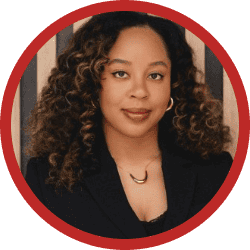
Danica Nelson is a personal-finance educator, career-break expert, and founder of Liberty Leave®. Drawing on her own experiences with burnout and extended sabbaticals, Danica explains how to plan and pay for an intentional break from work. Through her Pause, Plan, Pursue, and Pivot framework, we’ll look at building a career-break fund, creating a realistic budget, approaching your employer, and preparing for what comes afterward. Whether your break involves travel, caregiving, recovery, or a career change, this session will help make it financially possible.
Links
Alain Desbiens
Rethinking Retirement and the Need for Cash Flow in Canadian Investment Portfolios
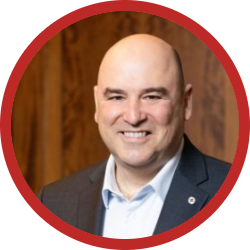
Canada is facing a major demographic shift as boomers retire, longevity rises, and fewer workers support more retirees. The challenge is shifting from saving to generating reliable, tax-efficient income. This episode explores the retirement wave, why income matters most, and how Covered all and Target Cash Flow ETFs can support consistent retirement income.
Ed Rempel
The Smith Maneuver vs Cash Dam: How to Choose the Right Strategy and How Self-Employed Canadians Can Do Both
Many Canadians have heard of the Smith Manoeuvre. Many are also self-employed and do not know they could be doing the Cash Dam. How do they fit together in a real financial plan? Ed Rempel breaks down when each strategy works, whether combining them can improve results, and what to watch out for. Learn how to think about these strategies in the context of your overall plan, including considerations for self-employed Canadians

James Gauthier
From Building Wealth to Spending It: How Your Portfolio Should Change in Retirement
While you’re working, the investment goal is relatively straightforward: Keep contributing and allow your portfolio to grow. Retirement changes the assignment. Withdrawals must now fund your lifestyle, and a market decline at the wrong time can do far more damage when money is leaving the portfolio instead of flowing into it.
James Gauthier, Chief Investment Officer at Justwealth, has more than 25 years of experience designing asset-allocation strategies. In this session, James explains how investment priorities should shift as Canadians move from accumulation to decumulation. We’ll look at sequence-of-returns risk, liquidity, diversification, and how to balance dependable retirement income with the continued growth needed for a retirement that could last several decades. The goal is to build a portfolio that doesn’t merely reach retirement - but can support you throughout it.

Brenda Hiscock
Healing the Money Wound: Financial Lessons I Learned Through Trauma
Money is rarely just about math. Trauma can reshape how we think about security, control, risk, spending, and the future—sometimes in ways we don’t recognize until much later. A financial plan may look perfectly sensible on paper while overlooking the experiences and emotions driving our decisions.
In this deeply personal session, Certified Financial Planner Brenda Hiscock shares the financial lessons she learned through trauma and how those experiences changed her relationship with money. She’ll explore the connection between emotional and financial well-being, the importance of preparing for life’s hardest moments, and what it can take to rebuild a sense of safety after everything changes. This is an honest conversation about resilience, recovery, and creating a financial life that supports healing rather than fear.

Kyle Prevost
What to Do With a Real Estate Portfolio in Retirement: How to Unwind It Tax-Efficiently
Rental properties can provide dependable income in retirement, but they can also leave retirees overly concentrated, illiquid, and responsible for a part-time job they no longer want. Once the mortgages are paid off, the question becomes whether the rent, future appreciation, and tax deferral are still worth more than the flexibility and simplicity that could come from selling.
Canadian personal-finance writer and educator Kyle Prevost works through the case of a 60-year-old couple who own their home, two paid-off rental properties, and substantial retirement savings. We’ll compare keeping both rentals, selling them gradually, or retaining only the strongest property, and examine the resulting capital gains, CCA recapture, and estate consequences. Kyle will also show how property sales can be coordinated with RRSP withdrawals, RRIFs, CPP, and OAS to create a more tax-efficient retirement without waiting until age or circumstance forces the decision.

Isabelle Bernier
Permission to Spend: Turning Your Savings Into a Better Retirement
After spending decades measuring progress by how much they save, many Canadians find it surprisingly difficult to begin drawing that money down. Even retirees with more than enough may hesitate to travel, help their families, or enjoy their healthiest years because every withdrawal feels like moving backward.
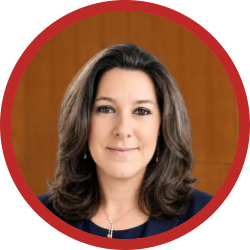
With nearly 25 years of financial-planning experience, Isabelle Bernier explains how a well-built retirement plan can provide something numbers alone cannot: permission to spend. We’ll look at how to turn savings, pensions, and government benefits into a sustainable lifestyle, determine how much of a safety cushion you truly need, and adjust spending as markets and life circumstances change. This session isn’t about spending recklessly, it’s about using your savings intentionally and balancing future security with the retirement you worked so hard to enjoy.
Jason Heath
What Good Financial Planning Should Look Like & Can You Trust the Numbers?
A financial plan can look impressive on paper, but two questions matter: Are you receiving the support you should expect, and can you trust the numbers behind it? Many Canadians aren’t sure how often their planner should communicate, how they get paid, when their plan should be updated, or what kind of ongoing help is reasonable.
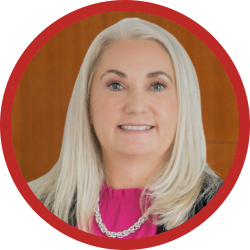
Jason Heath, founder and Managing Director of Objective Financial Partners is back to explain what a good planner-client relationship should look like and what clients should expect in regards to value for what they pay. He also breaks down FP Canada’s Projection Assumption Guidelines, including what a “before-fee expected return” really means, why fees must be accounted for, and how inflation and asset mix affect the results. This session will help you judge both the quality of the advice and the credibility of the projections.

Corrinna Paxton
U.S. Citizen, Canadian Resident: Avoiding Costly Cross-Border Money Mistakes
Moving to Canada does not mean leaving the American tax system behind. U.S. citizens must continue filing American tax returns and reporting worldwide income while also meeting their Canadian tax filing obligations. Canadian investment accounts and planning strategies that seem straightforward can create unexpected tax, reporting, and compliance problems on the U.S. side of the border.
Corrinna Paxton is a Certified Financial Planner in both Canada and the United States, with more than 20 years of financial-planning experience. In this session, she explains how the two systems interact and highlights common mistakes involving Canadian investment accounts, retirement savings, pensions, foreign-account reporting, and portfolio construction. Whether you recently moved north or have lived in Canada for years, Corrinna will help you understand which financial decisions require extra caution and how proper cross-border planning can prevent expensive surprises.
Brought to You In Partnership With